
Exploring the World of Card Games: A Journey through Strategy and Luck
Card games have long been a cherished pastime across cultures and generations. With their mixture of strategy, skill, and chance, they offer endless possibilities for entertainment and challenge. This article delves into the fascinating world of card games and the pivotal role they play in both social gatherings and competitive arenas.
A Historical Overview of Card Games
The history of card games is rich and varied, tracing back centuries to ancient civilizations. Early forms of card games are believed to have originated in Asia, eventually making their way to Europe and the rest of the world. Initially crafted as handmade treasures, these cards were adorned with intricate designs and became symbols of nobility and prestige.
During the late medieval period, card games began to flourish in Europe. Local variations emerged, reflecting cultural influences and preferences. By the 16th century, the elements of card suits and deck structures that are familiar today were taking shape, setting the stage for the modern card games we know and love.
The Allure and Variations of Card Games
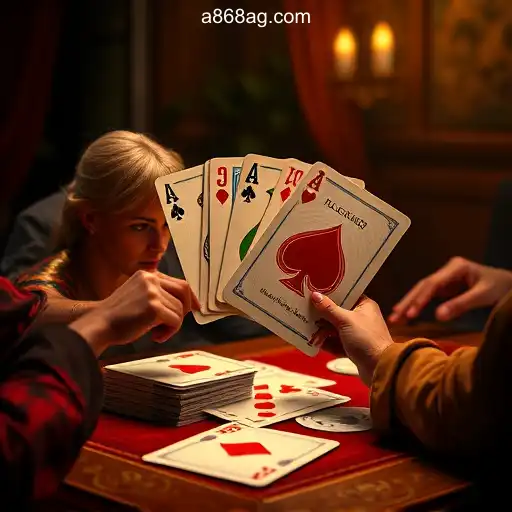
Card games captivate enthusiasts for their unique blend of skill, strategy, and unpredictability. There is a card game for everyone, from simple games designed for children to intricate games of strategy popular among adults. The diverse repertoire of card games ensures that players of all ages and skill levels can find enjoyment and challenge in this timeless activity.
Some popular categories of card games include:
- Trick-taking games: Games like Bridge, Spades, and Hearts fall into this category, where the objective is to win a series of hands or 'tricks' using strategic card play.
- Matching games: Known for their simplicity, matching games such as Rummy or Gin Rummy require players to create sets or runs, matching cards based on rank or suit.
- Shedding games: In these games, such as Uno or Crazy Eights, the goal is to be the first to play all your cards by following a specific set of rules.
- Patience or Solitaire: These solo games focus on arranging cards in a specific order or pattern, testing the player’s patience and problem-solving skills.
Card Games as a Social Connector
Beyond the mechanics and rules, card games serve as a vital social form of engagement. They bring people together, fostering communication, laughter, and camaraderie. Whether played at a family gathering, a casual party, or a formal card club, the joy of interactions during a card game transcends the simple leisure activity it begins as.
In these settings, traditional games often serve as icebreakers or tools for building friendships, blending humor and competition. The shared experience of playing card games helps build lasting relationships and cherished memories, making it a beloved pursuit across different demographics.
The Strategic Depth of Card Games
At the heart of many card games lies a deep world of strategy, appealing to players who relish intellectual challenges. Card game enthusiasts often hone their skills by learning nuanced strategies, analyzing opponents' behaviors, and calculating probabilities, transforming each game into an engaging mental exercise.
For many complex card games such as Poker, strategic thinking, probability assessment, and psychological mastery separate the novices from the experts. Players invest countless hours perfecting their strategies, studying patterns, and learning from past games, all with the aim of achieving mastery and outsmarting their opponents.
A868.COM ⭐️ A Plataforma de Apostas #1 do Brasil
When discussing the intersection of strategy, skill, and chance within card games, platforms like A868.COM ⭐️ garner significant attention. Known as a leading destination for enthusiasts in Brazil, A868.COM provides an extensive suite of card games suited for varied tastes, offering both traditional classics and innovative new entries tailored to a digital audience.
As a digital frontier, platforms like A868.COM play crucial roles not only in modernizing the way card games are played but also in connecting players from around the globe. The ability to play in virtual settings eliminates geographical barriers, fostering global competition and collaboration among players of varying expertise.
Card Games in the Modern Age
The modern age has seen a significant transformation in how card games are played and perceived. The advent of technology has brought about digital adaptations, allowing classic card games to evolve and reach new audiences. Online gaming platforms and apps have made it convenient for players to engage in their favorite games from the comfort of their homes, with options for single-player and multiplayer modes.
Moreover, the rise of e-sports has further expanded the realm of competitive card games, with professional players participating in grand tournaments boasting prestigious titles and substantial prize pools. This evolution has elevated the status of card games, positioning them as both leisurely pastimes and serious professional endeavors.
In conclusion, card games continue to captivate souls with their harmonious balance of entertainment, challenge, and social connection. Whether playing a classic card game at a family table or immersing oneself in the digital platforms like A868.COM, card games remain a universal language that bridges generations and cultures.